01
See the scene
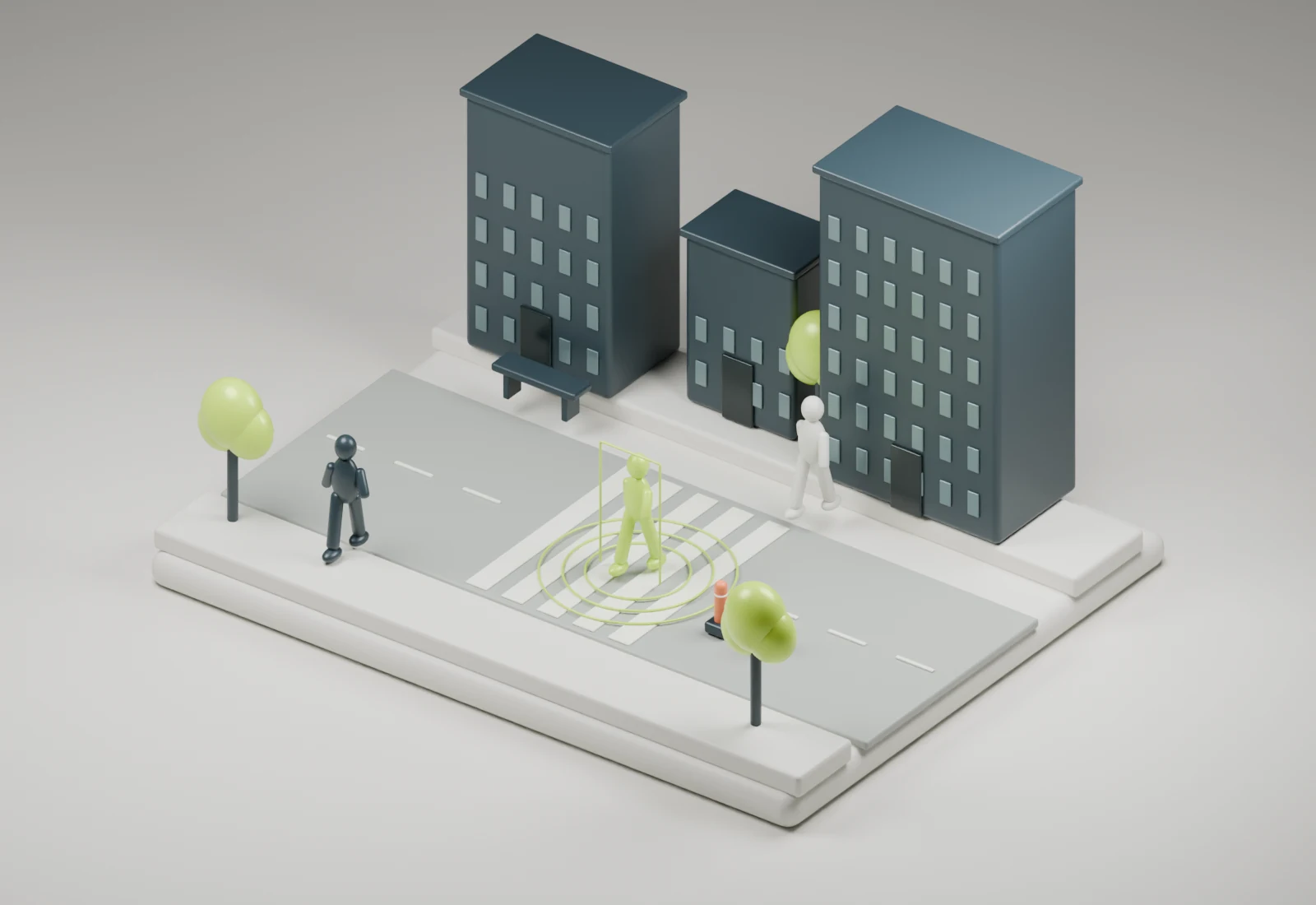
The rear camera feeds an on-device YOLO vision model. People, animals and other obstacles become detection boxes.
A little awareness goes a long way
Meet NoBonk. On-device AI that watches the path ahead and gives you a heads-up when something gets too close.
See how it thinksBuilt by a curious student. Made for the real world.
1st place STEM4All 2026
IEEE Award STEM4All 2026
3rd in category ACSEF 2026
01 / The idea
One glance at your screen. One person stepping into your path. NoBonk explores a simple question: what if your phone could give you a little nudge?
The rear camera feeds an on-device YOLO vision model. People, animals and other obstacles become detection boxes.
The app tracks how boxes grow and move. Frame fill and approach signals help distinguish a nearby object from one closing in.
LOW, MEDIUM and HIGH alerts escalate through vibration and on-screen warnings, including while another app is open.
02 / Inside the decision
Make a person’s detection box grow. Add an approach signal. Watch the alert change using the app’s actual person-alert thresholds.
The tracker sees a closing object.
On-bearing, estimated contact ≤ 1.5 s.
At 28% frame height and above, the person ladder reaches LOW.
Educational simulation of the person alert policy at the 2 m sensitivity preset. No camera access. This is not a distance measurement; the full app also filters detections and applies tracking and alert timing.
Read the actual logic03 / Out of the lab
Early results reported by the project on a Pixel 9a. Promising signals, with plenty still to learn. These are prototype observations, not independent validation.
Reported detection accuracy under good lighting.
Reported approach-detection trial results.
Distance estimates depend on angle and scene.
The project reports 3/10 detection in low light and about 10% battery drain per hour in background mode. Older phones can lag. NoBonk is a student-built prototype that can miss hazards. Keep looking up.
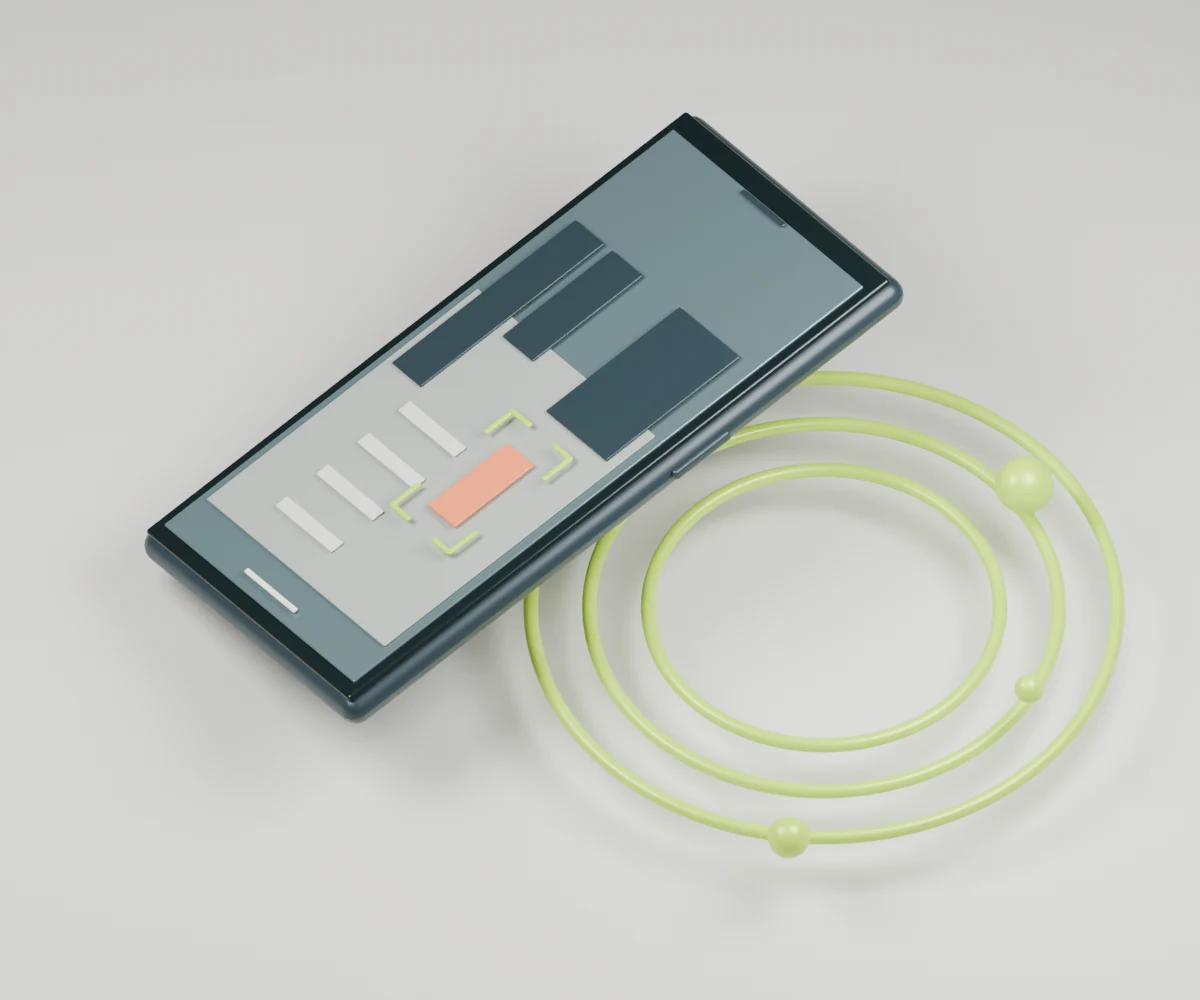 Concept illustration / not an app screenshot
04 / On your phone. By design.
Processed in memory, then discarded. No saved photos or video. The app has no Internet permission.
Detection events stay in private storage on your phone and can be cleared. Approximate location is optional and off by default.
THE NEXT STEP IS ANDROID
A science-fair question, built into an Android prototype.
Now getting ready for its next chapter.